What Is a Japanese Manicure, and Who Should Skip It?
A Japanese manicure is a polish-free treatment for your natural nails. Your technician buffs a nourishing paste into each nail, seals it with a fine powder and polishes the surface until it shines. No color goes on. There’s no gel and no lamp.
You get about 1-2 weeks of gloss from one visit, and the treatment suits bare, tired nails and the break between gel sets. It’s the wrong booking if you want color or length, or if a nail looks infected, swollen or is coming away from the skin underneath.
What happens during a Japanese manicure
Your technician starts the way any manicure starts, by shaping the nails and tidying the cuticles. Next, a soft buffer goes over the surface of each nail and works in a small amount of paste. A dusting of powder goes on next to hold it in place. A last polish brings up the gloss.
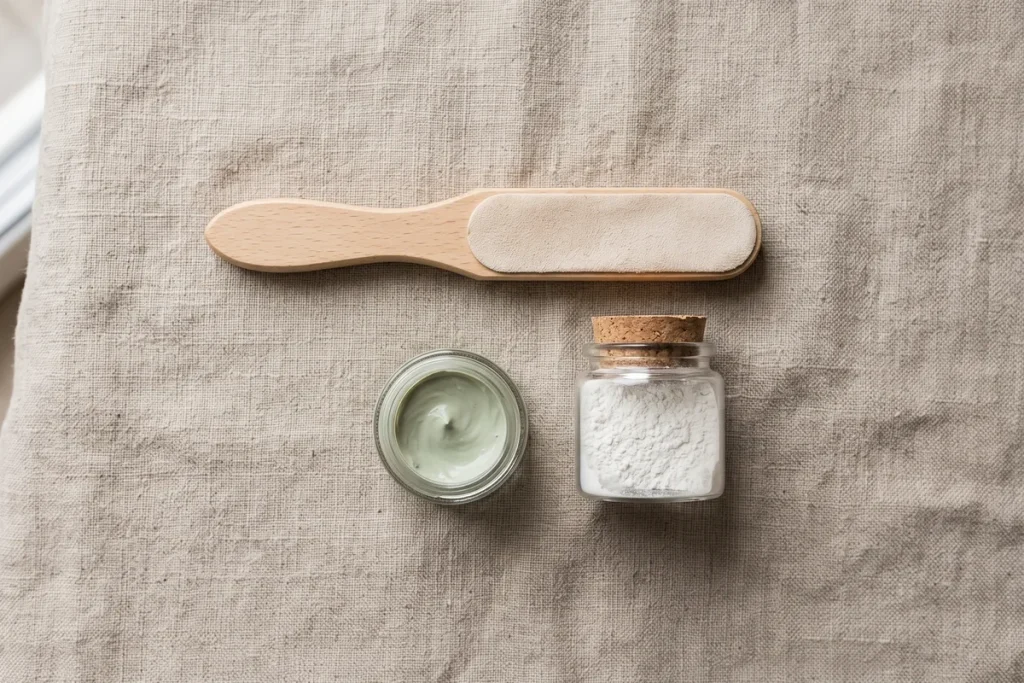
The method is known by the name of one system, P.Shine. Its paste carries vitamins A and E, keratin and silica, and its powder is made with beeswax. The maker says the powder also keeps water and detergents off the nail for a while. Other brands sell their own versions of the same two steps.
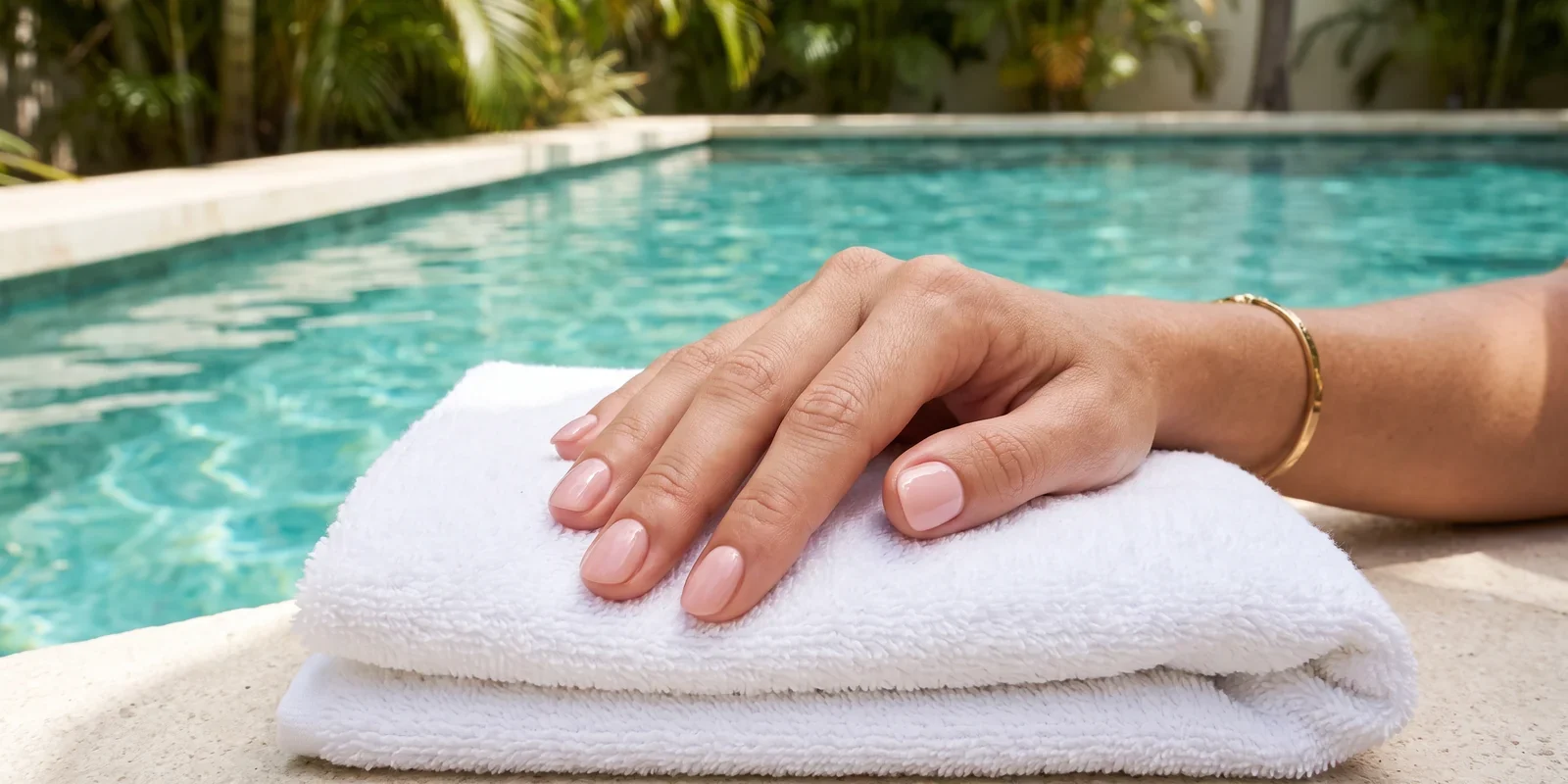
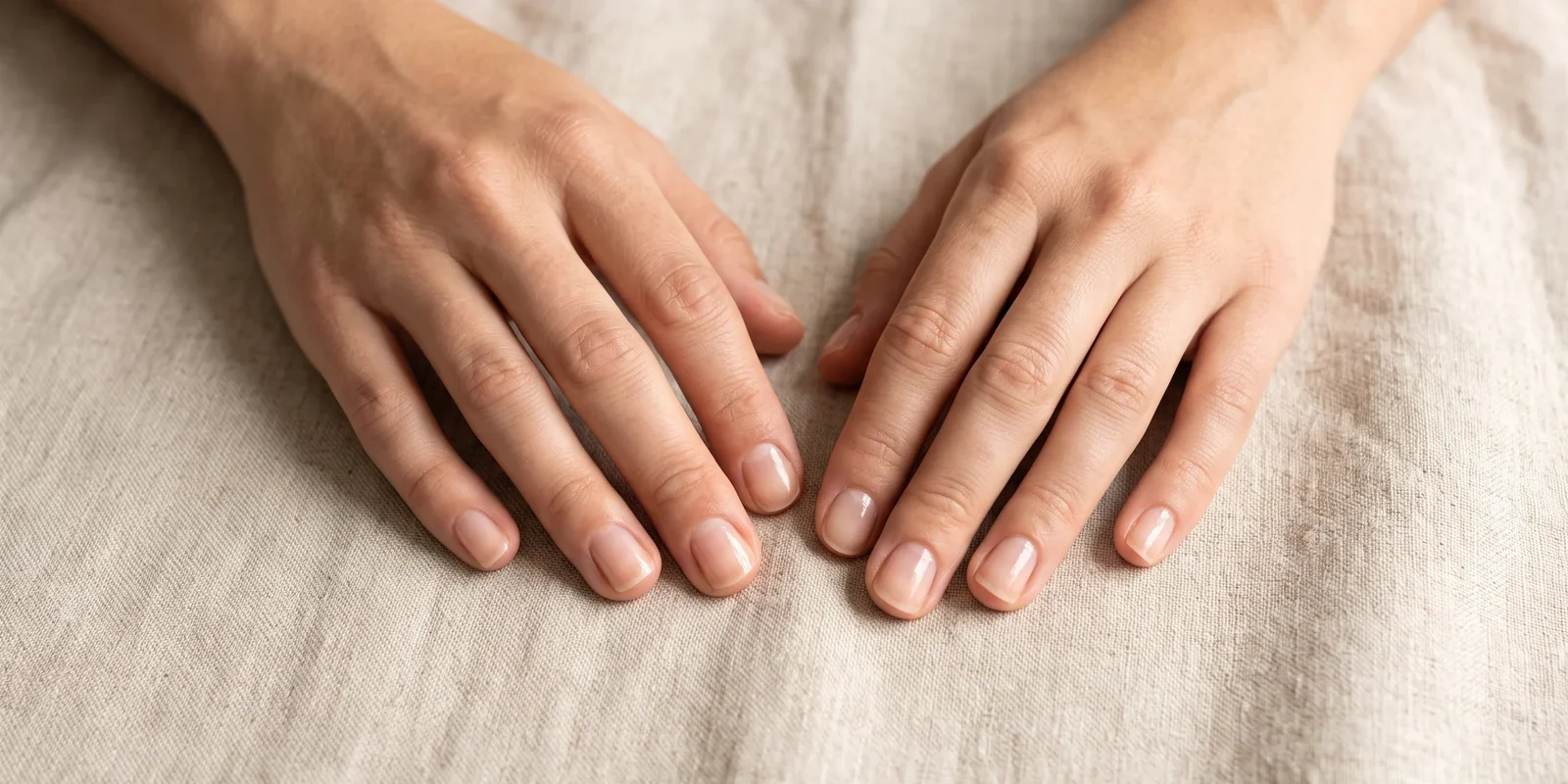
You leave with nails that are smooth and glossy in their own color, with a soft, pearly look. Nothing sits on top of them. There’s nothing to chip, peel or soak off later.
How long does the shine last?
Expect the gloss to stay visible for about 1-2 weeks. People who like the look book again every 2-4 weeks, once the shine starts to go.
The nail itself changes much more slowly. A fingernail grows about 3 mm a month, and a nail needs at least 6 months to grow back in full. One visit gives you a polished look for now. Anything that happens to the nail plate shows up over months, as new nail comes through from the base.
Who should skip a Japanese manicure?
Skip it if you want color. You leave with your own nail and a shine, and a red, a nude or a French finish means booking gel instead.
It won’t add length either. A nail that broke short stays short, and building it out is a job for hard gel or extensions.
Hold off if a nail looks infected, if the skin around it is red, swollen or broken, or if the nail is lifting away from the bed underneath. A technician shouldn’t work on a nail in that state until a doctor has seen it. Get it checked first.
Very thin nails need a word before the buff. Buffing takes a fine layer off the surface, and too much of it thins the nail further. Tell your technician if your nails bend easily or feel sore. They’ll keep the pressure light and the passes few.
A break between gel sets
The weeks after gel comes off are a good time for this treatment. The American Academy of Dermatology notes that gel manicures can leave nails brittle, peeling and cracked. It advises soaking gel off in acetone rather than picking at it, then going 1-2 weeks or longer without polish so the nails can recover.
A Japanese manicure puts no polish on the nail. You get that break, and your hands still look finished. Your nail is mostly keratin, with some water and fats that keep it from turning dry and fragile. Those weeks are the time to put moisture back.
Pool days, beach days and bare nails in Miami
Hands in Miami get wet a lot: a morning in the pool, an afternoon in the ocean, extra hand washing in the heat. A nail starts taking in water within about a minute of soaking, and it swells. It shrinks back as it dries, and thin nails move the most. Nails that go through that cycle again and again lose water and turn brittle.
A Japanese manicure has no coating on top to lift at the edges while the nail swells and shrinks. You won’t have chipped color to fix before the weekend, and moisturizer goes straight onto a bare nail after the beach.
Japanese manicure is on the menu at both our salons. At the beach salon it sits with the nail add-ons, and in Doral it has its own line. Our Japanese manicure page lists what each salon offers.
Japanese manicure in Miami
See the serviceQuestions we get asked
Can I get a Japanese manicure right after taking gel off?
Yes, as long as the gel was soaked off. Let your technician know how long you wore it, because a surface that has just come out from under gel needs a lighter buff.
How do I look after my nails between visits?
Rub a plain moisturizer or petroleum jelly into your nails and cuticles a few times a day. A small tube by the sink makes it easy to do after every wash, and the cuticles need it as much as the nails.
Is a Japanese manicure the same as buffing my nails?
Buffing is one step of it. A plain buff smooths the surface and gives a little shine by itself. The Japanese version goes further with its two products, and the pearly finish comes from them working with the buff.
Can I do a Japanese manicure at home?
Home kits with the paste and the powder are sold, and one kit lasts hundreds of uses. The step to be careful with is the buff, because it's hard to feel how much surface comes off. If yours are already weak, keep home care to moisturizer and leave the buff to your technician.